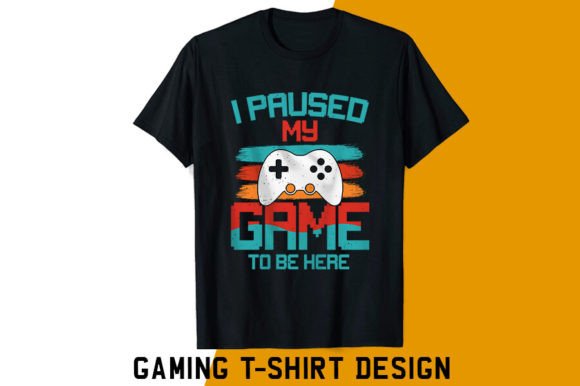
Reviewing the I Paused My Game to Here Design
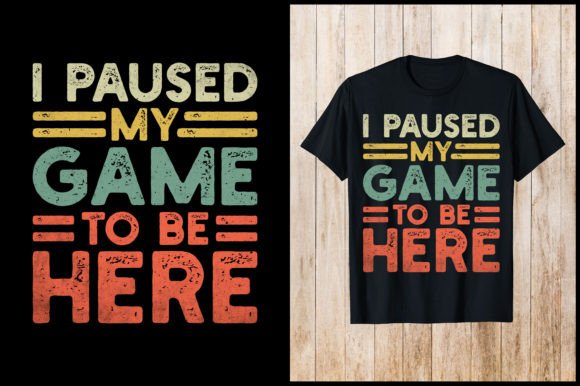
As a designer who has spent countless hours digitizing and testing embroidery patterns, I approach every new machine embroidery design with a critical eye. It is not just about whether the image looks cute on a screen; it is about how those lines translate into thread, how the tension holds up on fabric, and whether the final finished product will survive a wash cycle without losing its charm. Recently, I evaluated the I Paused My Game to Here T-Shirt Design, a piece that sits squarely in the popular gaming niche but requires careful handling to ensure it meets professional standards.
The first impression of this design is one of playful nostalgia. The phrase captures a specific cultural moment familiar to gamers, parents, and partners alike. Visually, the layout suggests a bold, statement-piece aesthetic. For an embroidery project, this means the design relies heavily on clarity. When I look at the provided assets—specifically the AI, EPS, and PNG files with an artboard of 4500 by 540 pixels—I am immediately thinking about scalability and resolution. While these are print-ready graphics, translating them into an embroidery file requires a keen understanding of stitch types. The sharp edges seen in the digital graphic must be softened slightly in digitization to prevent thread breaks, especially if you are using a satin stitch for the lettering.
Real-World Application and Product Fit
To truly understand the value of this design, I placed it in a real-life scenario. Imagine a customer coming to your small shop requesting a custom gift for their spouse who spends weekends immersed in video games. You decide to apply this design to a high-quality cotton tote bag or a heavyweight sweatshirt. This is where the I Paused My Game to Here T-Shirt Design shines as a conversation starter. It is not just a logo; it is a humorous acknowledgment of hobby time.
For Etsy sellers and craft business owners, this type of personalized gift has high marketability. However, the application method matters. If you are creating a sweatshirt embroidery piece, the texture of the fleece can obscure fine details. In this case, I would recommend using a fill stitch for larger elements to ensure visibility against the plush fabric. Conversely, if you are working on a smoother surface like a canvas tote bag design or a structured apron, you have more freedom to use intricate running stitches or detailed satin borders. The design’s personality fits naturally into casual wear, making it ideal for custom apparel meant for everyday use rather than formal occasions.
Navigating Fabric and Hoop Constraints
One of the most critical aspects of reviewing any digital embroidery file is identifying where it might fail. This design, with its likely emphasis on text and possibly graphical icons, demands attention to hoop size. If you attempt to shrink this design too much for a small cap or a baby onesie, the legibility will suffer. Tiny lettering is the enemy of embroidery; threads merge, and the message becomes a blur. Therefore, I advise against using this on very small items unless you significantly simplify the digitization.
Fabric choice also plays a pivotal role. On stretchy fabrics like jersey knits used in t-shirts, proper stabilization is non-negotiable. Without a cut-away stabilizer, the weight of the thread can cause the fabric to pucker, distorting the humorous message. For dark fabrics, you must consider thread colors carefully. A light-colored thread on a black hoodie creates high contrast, which is good for readability, but it also highlights any imperfections in stitch density. Always test the design on scrap fabric first. Check how the stitch density interacts with the material. If the design is too dense, it can make the garment stiff and uncomfortable, which defeats the purpose of casual handmade product appeal.
Enhancing Visual Appeal and Brand Value
From a branding perspective, consistency is key. If you are building a boutique brand around gaming culture or geek-chic aesthetics, this design serves as a strong asset. It helps establish a recognizable style. When customers see a well-executed embroidered patch or a neatly stitched shirt, their trust in your craftsmanship increases. The perceived value of an embroidered item is generally higher than a printed one because of the tactile quality and the labor involved.
However, professionalism lies in the details. Before listing this as a small shop product, inspect the corners of any graphical elements. Sharp points in digital graphics often need to be rounded in embroidery to prevent thread bunching. Use printable mockup tools to visualize how the design looks on different backgrounds, but remember that a mockup cannot replicate the sheen of rayon thread or the texture of cotton. Comparing light and dark fabric backgrounds in your portfolio can help buyers visualize the versatility of the design.
Practical Notes for Designers and Makers
Before you commit to producing inventory or offering this as a commercial service, there are several practical steps to take. First, verify the licensing terms. While the product description mentions it is ready for print and includes vector files, using it for commercial embroidery may require specific permissions depending on the creator’s terms. Always confirm whether the license covers physical goods sold for profit.
- Test on Scrap Fabric: Never run a new design directly on a client’s garment. Use similar weight and weave scraps to check tension and registration.
- Check Thread Contrast: Ensure the thread color stands out against the fabric without vibrating visually. High contrast is essential for readability.
- Review Stitch Density: If the design feels heavy, reduce the density in your digitizing software to keep the fabric soft and flexible.
- Confirm Hoop Size: Make sure the design fits comfortably within your machine’s hoop with adequate margin for framing.
- Inspect Small Details: Zoom in on the digitized file. Are there any tiny jumps or unnecessary trims that could cause issues during production?
In conclusion, the I Paused My Game to Here T-Shirt Design offers a fun, relatable theme that resonates with a broad audience. For design assets and graphics intended for print, it provides a solid foundation. For embroidery, it requires thoughtful adaptation. By respecting the limitations of thread and fabric, and by prioritizing clarity and durability, you can transform this digital concept into a high-quality holiday embroidery gift or a best-selling item in your online store. Treat it not just as an image, but as a structural challenge, and the results will reflect your expertise and care.