Vintage Poker Game: A Designer’s Review for Embroidery
When I first pulled up the Vintage Poker Game files on my workstation, I wasn’t just looking at a graphic; I was mentally translating pixels into thread. As an embroidery designer who has spent years troubleshooting puckered seams and broken needles, I approach every new asset with a critical eye. Does this design have the structural integrity to survive a wash cycle? Will it look premium on a finished product, or will it appear flat and amateurish? This review breaks down how this specific design performs in real-world stitching scenarios, moving beyond the digital preview to the tactile reality of handmade goods.
First Impressions: Mood and Visual Personality
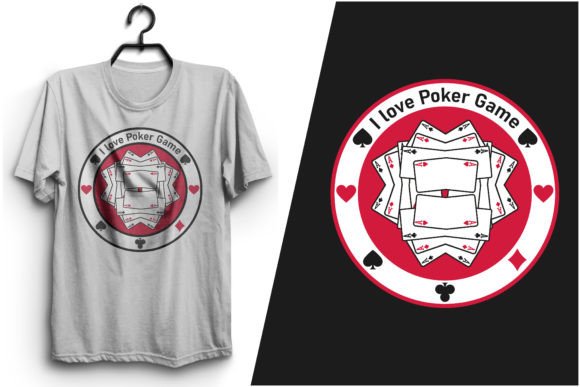
The immediate appeal of Vintage Poker Game lies in its nostalgic aesthetic. It captures that classic, smoky-room vibe associated with traditional card tables, but with a clean layout that translates well to modern apparel. The visual personality is bold yet refined, avoiding the cluttered look that often plagues vintage-style graphics. For an embroidery project, this clarity is crucial. Complex, messy designs often turn into a tangled mess of thread on fabric, but this composition suggests a balance between detail and stitchability.
The theme naturally lends itself to leisurewear and lifestyle products. It feels right at home on a casual sweatshirt or a sturdy tote bag. When evaluating the shape and layout, I noticed the elements are distinct enough to allow for varied stitch techniques. You aren’t forced into using only one type of fill; instead, you can mix satin stitches for borders and fill stitches for larger areas to create texture and depth.
Real-World Application: From Digital File to Finished Product
To truly test the viability of Vintage Poker Game, I imagined placing it on several common items I produce for my small shop. The most obvious candidate is a heavyweight cotton sweatshirt. Here, the design’s weight complements the thick fabric. Using a high-quality stabilizer is non-negotiable here to prevent the heavy stitching from pulling the neckline out of shape. The result is a piece of custom apparel that feels substantial and valuable, not like a cheap promotional item.
I also considered this design for a canvas tote bag. Tote bag design requires durability because these items carry heavy loads. The bold lines in the Vintage Poker Game graphic would hold up well against the coarse texture of canvas. However, I would recommend increasing the stitch density slightly to ensure the design doesn’t get lost in the weave of the fabric. For Etsy sellers and craft business owners, this versatility is a major selling point. You can market the same design across multiple product lines, from kitchen towels to aprons, maximizing your return on investment for the digital embroidery file.
Another interesting application is the embroidered patch. Patches are trending heavily in boutique branding and personalized gifts. By stitching this design onto twill or denim and then cutting it out with a merrowed edge, you create a versatile accessory that customers can iron or sew onto jackets and caps. This transforms a simple graphic into a modular design asset that appeals to hobbyists and makers alike.
Navigating Challenges: Fabric and Hoop Constraints
While the design is strong, it is not without its challenges. Embroidery designers must be cautious when applying Vintage Poker Game to stretchy fabrics like jersey knits. Without proper cut-away stabilizer, the tension from the fill stitches can cause the fabric to pucker permanently. I always advise testing the design on scrap fabric first, especially if you are working with thin or delicate materials.
Curved surfaces, such as baseball caps, present another hurdle. The width of the design needs to be checked against your hoop size. If the design is too wide, it may distort when stitched on the curved front panel of a hat. In such cases, scaling down the design might be necessary, but you must ensure that small details do not become so tiny that they lose definition. Tiny lettering or intricate corners can easily merge into a blob of thread if the resolution is compromised during resizing.
Dark fabrics require special attention to thread colors. Since this is a vintage-themed design, using muted or earthy tones might look sophisticated, but they could disappear on black or navy fabric. I recommend running a test stitch in black and white mockups to check contrast before committing to expensive threads. High-contrast thread choices often yield the best visibility and professional finish on dark garments.
Commercial Value and Customer Perception
For small business owners and Etsy sellers, the perceived value of a product is directly tied to the quality of the embroidery. A clean, well-digitized design like Vintage Poker Game enhances brand consistency. It signals to the buyer that care was taken in the creation process. Whether it is used for holiday embroidery gifts or everyday boutique merchandise, the design’s polished look helps justify a higher price point.
Customer trust is built on consistency. If you use this design across a range of items, from baby embroidery projects (scaled appropriately) to adult apparel, maintaining high stitching standards ensures repeat business. The design’s timeless appeal means it won’t look dated next season, making it a reliable staple in your catalog of design assets.
Practical Notes for the Embroiderer
Before launching into production, there are several technical checks you should perform. First, verify the file formats included in your purchase. The description mentions PNG, AI, SVG, and PDF files, which are excellent for printing and vector editing, but as an embroiderer, you need to confirm if actual machine embroidery formats (like DST, PES, or JEF) are included or if you need to digitize the vector files yourself. If the listing only provides print-ready files, you will need to use digitizing software to convert the Vintage Poker Game graphic into a stitch file, adjusting pull compensation and underlay settings manually.
- Test on Scrap Fabric: Always run a test stitch to check for registration issues and thread breaks.
- Check Stabilizer: Use cut-away stabilizer for stretchy fabrics and tear-away for stable wovens.
- Review Stitch Density: Ensure the density is appropriate for your fabric weight to avoid stiffness or puckering.
- Confirm Hoop Size: Measure the design dimensions against your machine’s maximum hoop capacity.
- Inspect Small Details: Zoom in on the digital file to ensure no lines are too thin to stitch reliably.
- Verify Licensing: Check the seller’s terms to confirm if the design allows for commercial use on finished products.
In conclusion, Vintage Poker Game is a versatile and visually appealing option for designers looking to add a touch of classic charm to their work. With careful attention to fabric choice, stabilizer selection, and technical setup, it can elevate everything from a simple t-shirt to a high-end custom gift. It is a solid addition to any creative entrepreneur’s library of graphics, provided you take the time to adapt it properly for the unique demands of machine embroidery.